

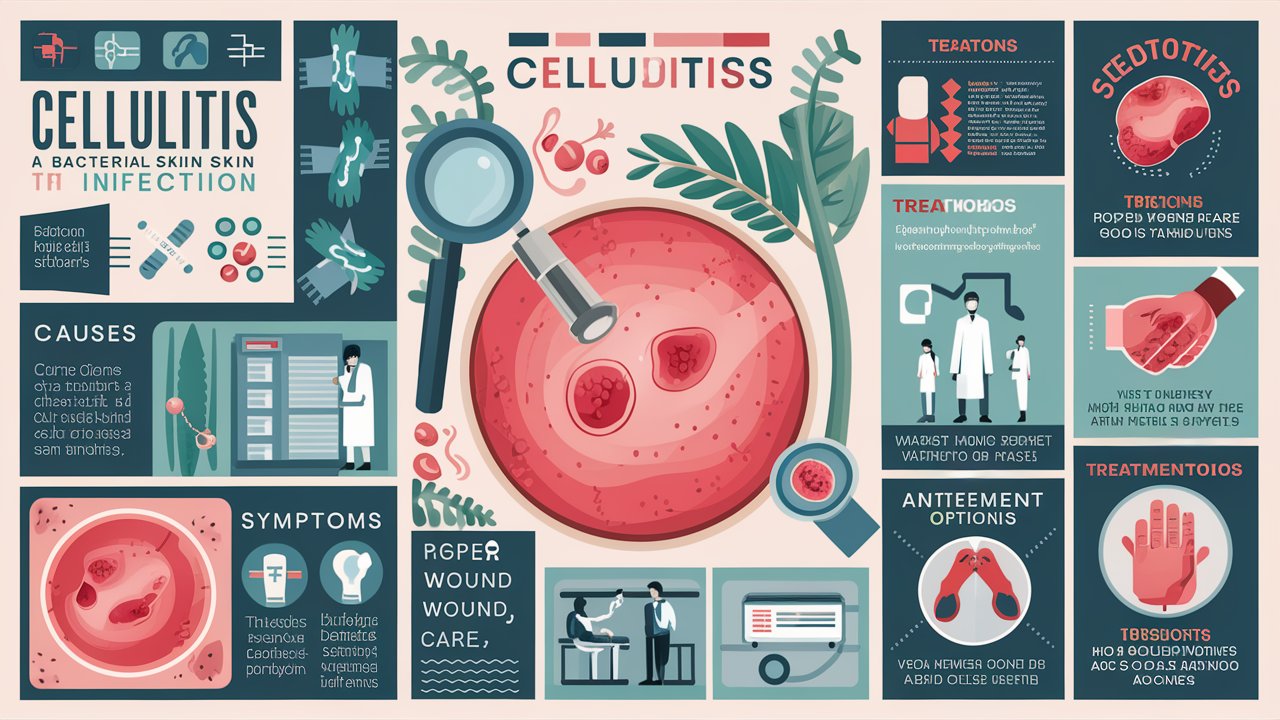
Cellulitis is a common but potentially serious bacterial skin infection that affects the deeper layers of the skin and underlying tissues. It usually begins as a small area of redness, swelling, and tenderness, but if left untreated, it can spread rapidly and lead to severe complications. The condition most often occurs on the legs, arms, or face, though it can appear anywhere on the body. While cellulitis can affect anyone, individuals with weakened immune systems, diabetes, or skin injuries are at higher risk. Understanding the causes, symptoms, and treatment options for cellulitis is essential for early detection and effective management. This comprehensive guide explores everything about cellulitis—from its underlying causes to prevention strategies—to help maintain healthy, infection-free skin.
What Is Cellulitis?
Cellulitis is a bacterial infection that occurs when bacteria, most commonly Streptococcus or Staphylococcus aureus, enter the skin through a cut, scrape, or insect bite. Once inside, the bacteria multiply and cause inflammation, leading to redness, warmth, swelling, and pain in the affected area. The infection can spread quickly through the lymphatic system and bloodstream if not treated promptly. Unlike superficial skin infections, cellulitis affects the deeper layers of the skin, including the dermis and subcutaneous tissue. It is not contagious, but the bacteria that cause it can spread through direct contact with infected wounds or contaminated surfaces. Recognizing the early signs of cellulitis is crucial, as timely medical intervention can prevent serious complications such as abscess formation or sepsis.
Causes and Risk Factors of Cellulitis
The primary cause of cellulitis is bacterial entry through a break in the skin. Even minor injuries like cuts, burns, or insect bites can serve as entry points for bacteria. Certain conditions increase the risk of developing cellulitis, including chronic skin diseases such as eczema, athlete’s foot, or psoriasis, which compromise the skin’s protective barrier. People with diabetes are particularly vulnerable because high blood sugar levels can impair circulation and slow wound healing. Obesity, poor hygiene, and a weakened immune system also contribute to higher susceptibility. Additionally, individuals with a history of cellulitis are more likely to experience recurrent infections. Understanding these risk factors helps in taking preventive measures to protect the skin and reduce the likelihood of infection.
Symptoms of Cellulitis
The symptoms of cellulitis often develop suddenly and can worsen rapidly. The most common signs include redness, swelling, warmth, and tenderness in the affected area. The skin may appear tight, shiny, or stretched, and in some cases, blisters or pus-filled bumps may form. As the infection progresses, individuals may experience fever, chills, fatigue, and swollen lymph nodes near the infected site. The affected area may also feel painful to the touch and expand over time. In severe cases, red streaks may appear, indicating that the infection is spreading through the lymphatic system. If left untreated, cellulitis can lead to serious complications such as abscesses, tissue damage, or bloodstream infections. Seeking medical attention at the first sign of symptoms is essential for effective treatment and recovery.
Diagnosis of Cellulitis
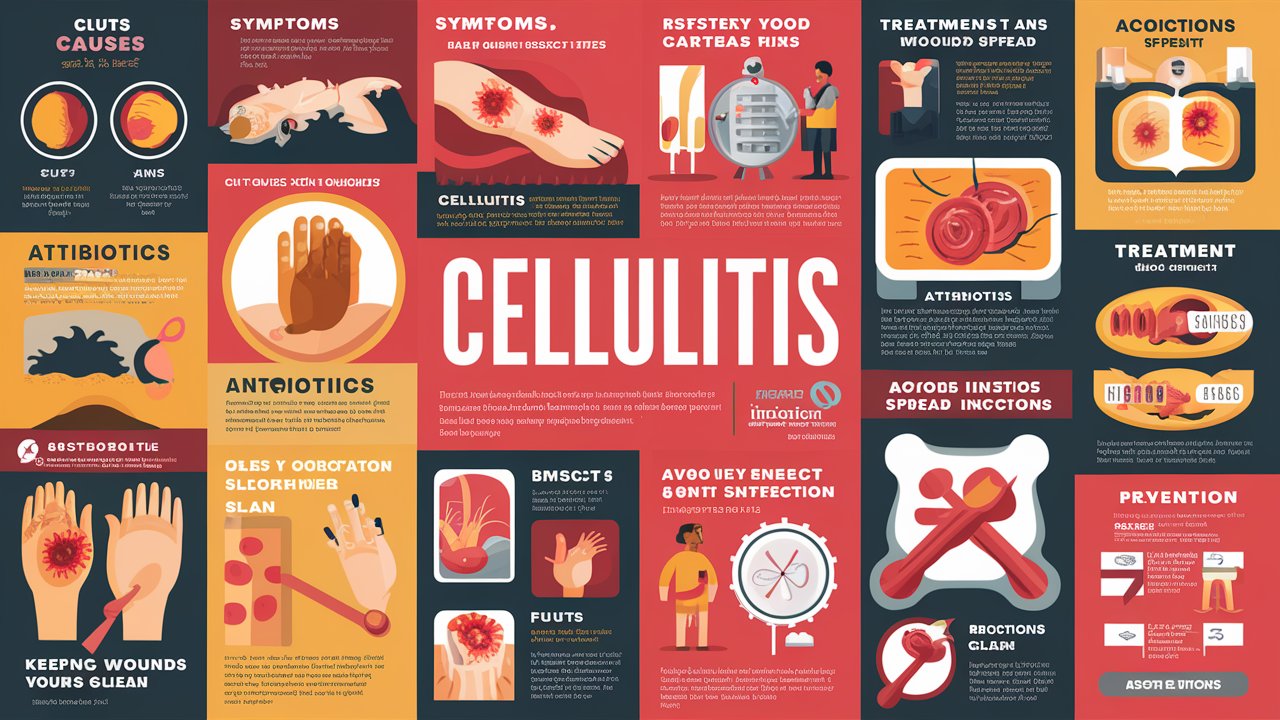
Diagnosing cellulitis typically involves a physical examination by a healthcare professional. The doctor will assess the affected area for redness, swelling, and warmth, and may ask about recent injuries or underlying health conditions. In some cases, blood tests or wound cultures may be performed to identify the specific bacteria causing the infection. Imaging tests such as ultrasound or MRI may be used if the infection is deep or if an abscess is suspected. Accurate diagnosis is important to distinguish cellulitis from other skin conditions like eczema, deep vein thrombosis, or allergic reactions, which can present similar symptoms. Early diagnosis ensures timely treatment and reduces the risk of complications.
Treatment Options for Cellulitis
The primary treatment for cellulitis is antibiotics, which target the bacteria responsible for the infection. Mild cases can often be treated with oral antibiotics prescribed by a doctor, while severe infections may require intravenous (IV) antibiotics administered in a hospital setting. The duration of treatment typically ranges from 7 to 14 days, depending on the severity of the infection and the patient’s overall health. Pain relievers and anti-inflammatory medications may also be recommended to reduce discomfort and swelling. It is crucial to complete the full course of antibiotics, even if symptoms improve, to prevent recurrence or antibiotic resistance. In cases where abscesses develop, surgical drainage may be necessary. Alongside medical treatment, proper wound care, rest, and hydration play vital roles in recovery.
Home Care and Management
While medical treatment is essential, proper home care can significantly aid recovery from cellulitis. Keeping the affected area clean and elevated helps reduce swelling and promote healing. Applying warm compresses several times a day can improve circulation and relieve discomfort. It’s important to avoid scratching or applying harsh creams to the infected area, as this can worsen the condition. Wearing loose, breathable clothing prevents irritation and allows the skin to heal naturally. Maintaining good hygiene, moisturizing dry skin, and promptly treating minor cuts or insect bites can prevent future infections. For individuals with chronic conditions like diabetes, regular foot inspections and proper wound care are critical to preventing cellulitis recurrence.
Prevention of Cellulitis
Preventing cellulitis involves maintaining healthy skin and minimizing the risk of bacterial entry. Simple habits such as washing hands regularly, keeping skin moisturized, and treating wounds promptly can make a significant difference. Always clean cuts or scrapes with soap and water, apply an antibiotic ointment, and cover them with a sterile bandage. Avoid walking barefoot outdoors to prevent injuries, especially for those with diabetes or poor circulation. Managing chronic skin conditions and maintaining a healthy immune system through balanced nutrition and exercise also reduce the risk. For individuals who experience recurrent cellulitis, doctors may recommend long-term preventive antibiotics. Prevention is always better than cure, and consistent skin care practices can help keep infections at bay.
Complications of Untreated Cellulitis
If cellulitis is left untreated, the infection can spread rapidly and lead to serious health complications. One of the most common complications is the formation of abscesses—pockets of pus that require surgical drainage. In severe cases, the bacteria can enter the bloodstream, causing sepsis, a life-threatening condition that requires immediate medical attention. Chronic or recurrent cellulitis can also lead to permanent tissue damage, scarring, or lymphedema, a condition characterized by persistent swelling due to lymphatic system damage. Individuals with weakened immune systems are at higher risk of developing these complications. Prompt medical treatment and proper wound care are essential to prevent the infection from escalating and to ensure a full recovery.
Conclusion
Cellulitis is a serious but treatable bacterial skin infection that requires prompt attention and proper care. Recognizing the early signs—such as redness, swelling, and warmth—can make a significant difference in preventing complications. With timely antibiotic treatment, good hygiene, and preventive measures, most cases of cellulitis resolve without long-term effects. However, neglecting symptoms or delaying treatment can lead to severe consequences. Maintaining healthy skin, managing underlying conditions, and seeking medical advice when needed are key to preventing recurrence. By understanding the causes, symptoms, and treatment options, individuals can take proactive steps to protect their skin and overall health from this potentially dangerous infection.


