

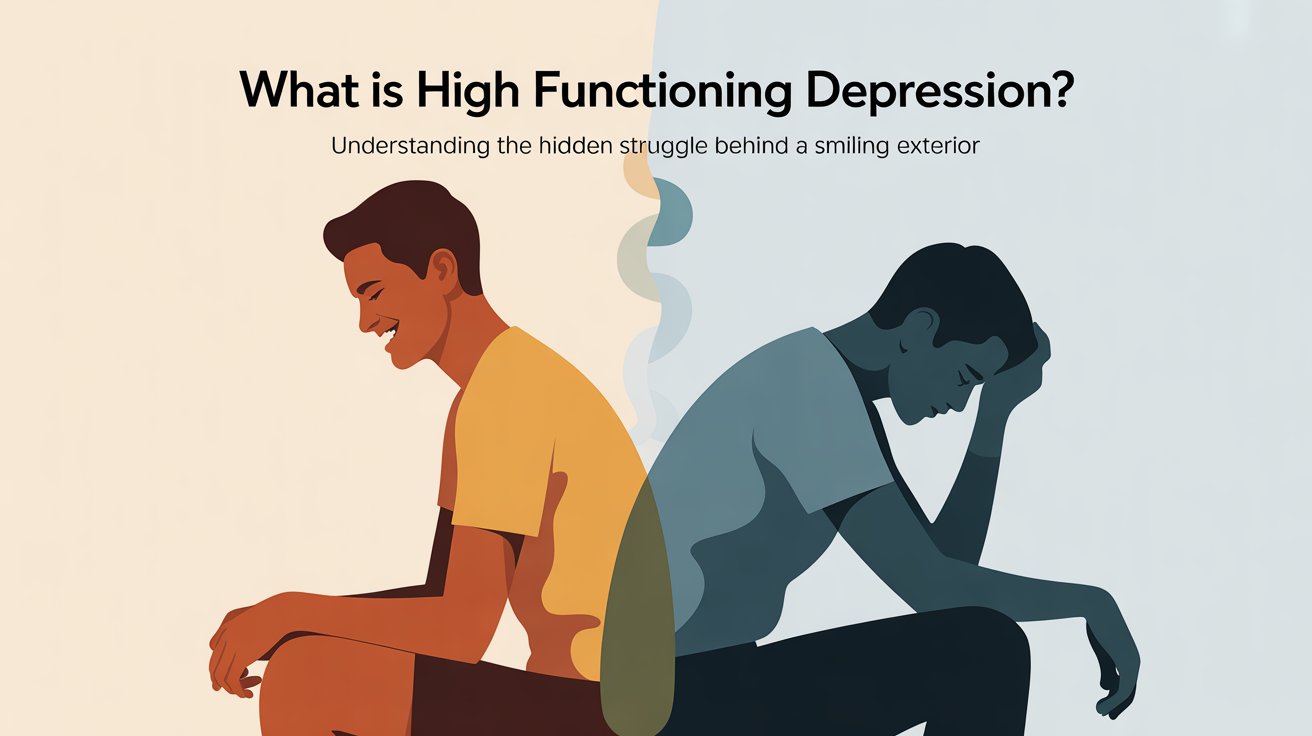
High functioning depression is a condition that affects countless people who appear outwardly stable, responsible, and successful but struggle internally with persistent sadness, low energy, and emotional heaviness. Unlike traditional depression, which may cause visible changes in behavior, high functioning depression often hides behind a composed and productive exterior. People experiencing it are often able to get out of bed, go to work, maintain relationships, and meet responsibilities, which makes the condition difficult to notice even for those closest to them. The internal battle, however, can feel overwhelming as they push through each day while privately dealing with feelings of emptiness, fatigue, or a lack of joy. Understanding high functioning depression is essential for recognizing that emotional struggles are not always obvious, and people who seem fine on the outside may be carrying a weight that remains invisible to others.
What Is High Functioning Depression?
High functioning depression is a commonly used term to describe persistent depressive symptoms that occur in individuals who are able to maintain daily responsibilities and appear outwardly functional. In many cases, it aligns closely with what professionals describe as persistent depressive disorder, which involves long-lasting feelings of low mood and hopelessness. While not a formal diagnosis, the term “high functioning depression” helps capture the experience of individuals who mask their emotional pain behind achievement, reliability, and productivity. These individuals often push themselves to fulfill obligations, even when doing so feels exhausting or emotionally draining. Because they continue to perform well in their roles—whether at work, school, or home—their emotional struggles frequently go unnoticed by others, which can contribute to feelings of isolation and make the condition harder to address.
Symptoms of High Functioning Depression
Symptoms of high functioning depression are often subtle and may not match the stereotypical image of depression shown in media or clinical descriptions. People experiencing this form of depression may feel persistent sadness, irritability, or emotional numbness that lingers throughout the day. They may find that activities they once enjoyed no longer bring satisfaction, yet they continue participating in them because of routine or obligation. Their motivation may be inconsistent, requiring significant effort to stay productive, even if outwardly they seem efficient and organized. Many individuals struggle with constant self-criticism, setting unrealistically high standards, or feeling guilty for perceived shortcomings. Sleep problems, such as insomnia or oversleeping, are also common, along with fatigue that persists even after rest. Because these symptoms are often masked by routine functionality, they can remain unrecognized by both the individual and those around them.
Causes and Contributing Factors
The causes of high functioning depression can vary widely from person to person, involving a mix of biological, emotional, and environmental factors. Genetics can play a role, as depression often runs in families, while chemical imbalances in the brain may contribute to persistent low mood. Life experiences such as chronic stress, traumatic events, or long-term pressure can also affect emotional well-being. People who constantly push themselves to meet demanding responsibilities may unknowingly be at greater risk, especially if they rely on achievement as a way to cope with emotional difficulties. Personality traits such as perfectionism, strong empathy, or high personal expectations may further increase the likelihood of developing depressive symptoms. External factors—such as work-related stress, relationship strain, or prolonged periods of uncertainty—can gradually intensify emotional challenges and make coping more difficult.
Why High Functioning Depression Often Goes Unnoticed
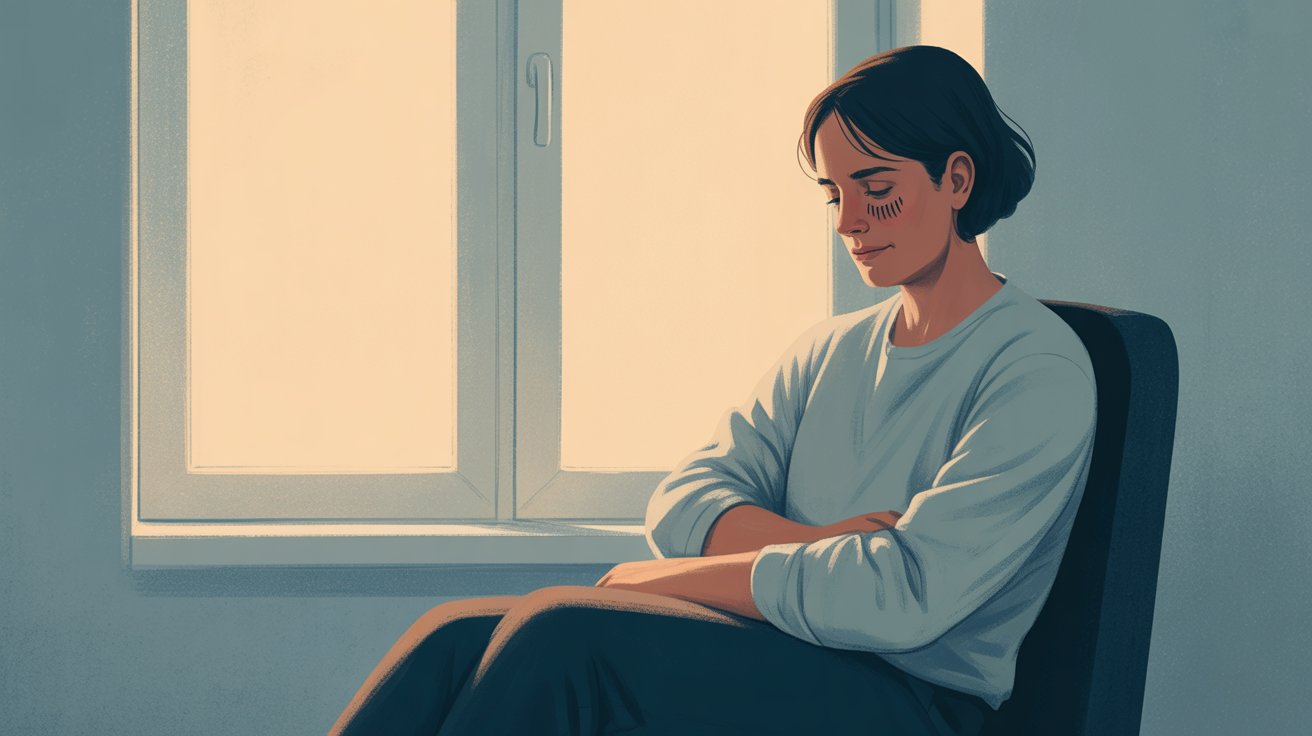
Because individuals with high functioning depression continue to perform at a high level, the condition often goes unnoticed. Many people believe that depression always looks like withdrawal, sadness, or inability to function, but this is not always the case. People who experience high functioning depression often become skilled at hiding their emotional distress to avoid burdening others or disrupting expectations placed upon them. They may smile through pain, complete tasks efficiently, and maintain social connections even when they feel emotionally disconnected. Friends, family members, and coworkers may assume everything is fine, making it harder for the person to express their struggles or seek help. The emphasis on appearing “strong” or “capable” can create pressure that deepens emotional exhaustion, reinforcing the cycle of hidden suffering.
Emotional and Daily-Life Impact
Although high functioning depression may be invisible to others, it can significantly impact a person’s internal world and daily life. Individuals may feel overwhelmed by responsibilities that once seemed manageable, finding that even small tasks require extra effort. They may struggle with maintaining meaningful connections because constant emotional fatigue makes social interactions feel draining. Persistent self-doubt or feelings of inadequacy can impact decision-making, confidence, and long-term planning. Over time, pushing through each day without acknowledging emotional needs can lead to burnout, increased irritability, or difficulty concentrating. Many people also experience a lack of joy or fulfillment, feeling as though they are living life on autopilot, which can contribute to a sense of emptiness. This internal struggle can gradually erode emotional resilience, making it harder to cope with challenges.
Coping Strategies and Support Options
People experiencing high functioning depression may benefit from a range of coping strategies and support options. Finding healthy ways to reduce stress—such as journaling, gentle exercise, or mindful relaxation—can make daily challenges feel more manageable. Building a supportive network of trusted individuals can help reduce feelings of isolation and encourage open communication. Setting realistic expectations and allowing time for rest may prevent emotional exhaustion. Many individuals find that speaking with a mental health professional provides valuable insight and tools for managing depressive symptoms. Therapy can offer strategies for identifying patterns, addressing negative thought cycles, and developing healthier coping mechanisms. Support groups may also help reduce the feeling that one is struggling alone. If medication is recommended by a clinician, it may play a role in stabilizing mood and improving overall functioning. While each person’s path to healing is unique, acknowledging emotional challenges is often the first step toward meaningful change.
Conclusion
High functioning depression is a complex emotional struggle that can remain hidden behind a person’s daily responsibilities, achievements, and outward stability. Understanding that depression does not always present in obvious ways is essential for recognizing that people may be suffering internally even if they appear composed. By learning the signs, understanding the contributing factors, and encouraging open conversations about emotional well-being, it becomes easier to support both oneself and others who may be experiencing this form of depression. While the condition can feel isolating, it is important to remember that help is available and that seeking support is a valuable step toward healing, clarity, and emotional balance.
⭐ Frequently Asked Questions (FAQ)
1. Is high functioning depression an official diagnosis?
No. It is an informal term used to describe persistent depressive symptoms in individuals who continue to function in daily life. It often resembles persistent depressive disorder.
2. Can someone have high functioning depression without knowing it?
Yes. Because the symptoms are often subtle and masked by productivity or routine functioning, many people do not realize they are experiencing ongoing emotional strain.
3. What are common signs of high functioning depression?
Persistent sadness, fatigue, irritability, loss of joy, self-criticism, sleep issues, and emotional numbness are common, even when outward functioning remains stable.
4. Can high functioning depression get worse over time?
Yes. Without support or coping strategies, emotional fatigue can increase, leading to burnout or more intense depressive symptoms.
5. What should someone do if they think they have high functioning depression?
It may help to talk with a mental health professional, connect with supportive individuals, and explore coping tools that reduce stress and improve emotional well-being.


