

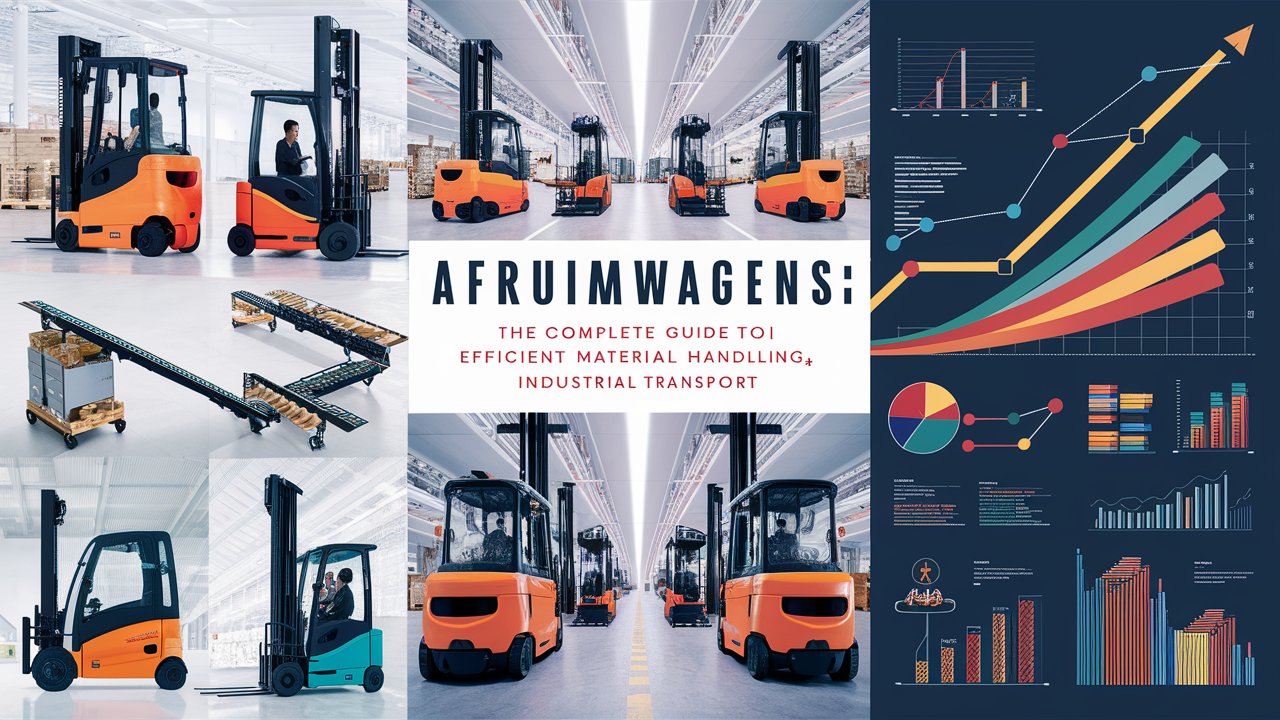
In the world of logistics, warehousing, and industrial operations, efficiency and organization are key to maintaining productivity. One essential tool that contributes significantly to this efficiency is the afruimwagen, also known as a clearing or transport trolley. These versatile carts are designed to simplify the movement of goods, tools, and materials across different work environments. Whether used in factories, workshops, restaurants, or hospitals, afruimwagens play a crucial role in ensuring smooth operations and reducing manual labor. This article provides a comprehensive overview of afruimwagens, including their types, uses, benefits, and maintenance tips. It also includes SEO-optimized titles, keyword explanations, and a detailed FAQ section to help readers understand everything about these indispensable tools.
What Are Afruimwagens?
Afruimwagens are specialized trolleys or carts designed to transport materials, tools, or waste efficiently within a workspace. The term originates from Dutch, where “afruimen” means “to clear” or “to tidy up,” and “wagen” means “cart.” These carts are commonly used in industries such as manufacturing, hospitality, healthcare, and logistics. They come in various designs, including multi-tiered shelves, enclosed compartments, and heavy-duty frames, depending on their intended use. The primary purpose of an afruimwagen is to reduce manual carrying, minimize physical strain, and streamline workflow by allowing workers to move multiple items at once.
Types of Afruimwagens
There are several types of afruimwagens, each designed for specific applications. Industrial afruimwagens are built with robust materials like steel or aluminum to handle heavy loads in factories and warehouses. Catering afruimwagens are commonly used in restaurants, hotels, and cafeterias to clear tables and transport dishes efficiently. Medical afruimwagens are designed for hospitals and clinics, featuring hygienic surfaces and compartments for medical instruments. Office and cleaning afruimwagens are used for maintenance tasks, equipped with bins and storage trays for cleaning supplies. Each type of afruimwagen is tailored to meet the unique demands of its environment, ensuring maximum efficiency and safety.
Benefits of Using Afruimwagens
The use of afruimwagens offers numerous benefits across different industries. One of the most significant advantages is improved efficiency. By allowing workers to transport multiple items simultaneously, afruimwagens save time and reduce unnecessary movement. They also contribute to workplace safety by minimizing the risk of injuries caused by lifting heavy objects. Another key benefit is organization help keep tools, materials, and products neatly arranged, reducing clutter and improving workflow. In addition, they are cost-effective, as they reduce labor fatigue and increase productivity. For businesses focused on sustainability, many modern afruimwagens are made from recyclable materials, making them an environmentally friendly choice.
Materials and Design Features
The design of an afruimwagen plays a crucial role in its functionality. Most models are made from durable materials such as stainless steel, aluminum, or reinforced plastic, ensuring longevity and resistance to wear and tear. The wheels are typically made of rubber or polyurethane to provide smooth movement and prevent floor damage. Many feature ergonomic handles, non-slip surfaces, and adjustable shelves to accommodate different types of loads. Some advanced models include braking systems for added safety and modular designs that allow customization based on specific needs. These design features make versatile tools suitable for both light and heavy-duty applications.
Applications of Afruimwagens in Different Industries
Afruimwagens are used in a wide range of industries due to their adaptability and practicality. Warehouses and factories, they are used to transport raw materials, tools, and finished products between workstations. Hospitality industry, they help staff clear tables, deliver food, and manage kitchen supplies efficiently. Healthcare settings, are essential for moving medical instruments, linens, and waste safely. Educational institutions and offices use them for maintenance and cleaning tasks, while retail stores rely on them for restocking shelves and organizing inventory. The versatility of makes them indispensable in any environment that values efficiency and organization.
Maintenance and Safety Tips for Afruimwagens
Proper maintenance ensures that remain functional and safe for long-term use. Regularly inspecting wheels, handles, and shelves for wear or damage is essential to prevent accidents. Cleaning the surfaces after each use helps maintain hygiene, especially in food service and healthcare environments. Lubricating moving parts ensures smooth operation, while checking the load capacity prevents overloading and structural damage. Training employees on proper handling techniques also enhances safety and prolongs the lifespan of the equipment. By following these maintenance and safety practices, businesses can maximize the performance and durability of their afruimwagens.
Conclusion
Afruimwagens are more than just transport carts—they are essential tools that enhance productivity, safety, and organization across multiple industries. Their versatility, durability, and ergonomic design make them a valuable investment for businesses seeking to optimize their operations. Whether used in warehouses, restaurants, hospitals, or offices, simplify daily tasks and contribute to a more efficient workflow. As industries continue to evolve, the demand for reliable and sustainable material handling solutions like will only grow. Understanding their benefits, types, and maintenance practices ensures that businesses can make informed decisions and achieve long-term operational success.
Frequently Asked Questions (FAQ)
1. What is an afruimwagen used for?
An afruimwagen is used to transport materials, tools, or waste efficiently within workplaces such as warehouses, restaurants, and hospitals.
2. What materials are afruimwagens made from?
Most afruimwagens are made from stainless steel, aluminum, or reinforced plastic, ensuring durability and resistance to corrosion.
3. Are afruimwagens suitable for heavy loads?
Yes, industrial afruimwagens are designed to handle heavy loads, with reinforced frames and strong wheels for stability.
4. How can afruimwagens improve workplace efficiency?
They reduce manual carrying, save time, and help organize materials, leading to faster and safer operations.
5. Can afruimwagens be customized?
Yes, many manufacturers offer customizable designs with adjustable shelves, compartments, and wheel types to suit specific needs.
6. How should afruimwagens be maintained?
Regular cleaning, inspection, and lubrication of moving parts are essential for maintaining performance and safety.
7. Are afruimwagens used in the hospitality industry?
Yes, catering afruimwagens are widely used in restaurants and hotels for clearing tables and transporting dishes.


