

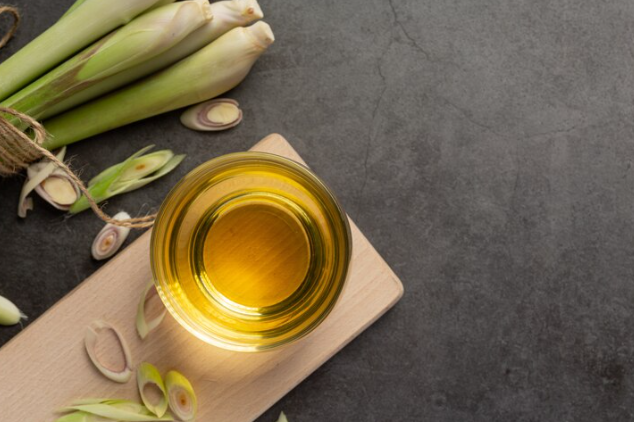
Lemongrass is a versatile herb known for its refreshing citrus aroma, culinary uses, and therapeutic benefits. It has been used for centuries in traditional medicine, cooking, and cosmetics, making it a popular plant worldwide. People often seek information on lemongrass for its health advantages, its role in recipes, or its potential in natural remedies. From teas and essential oils to skincare and aromatherapy, lemongrass has earned a reputation as a multifunctional plant. This article provides a complete guide to lemongrass, covering its health benefits, culinary uses, cultivation tips, and frequently asked questions to help readers fully understand its importance and applications.
What Is Lemongrass?
Lemongrass, scientifically known as Cymbopogon citratus, is a tall, tropical plant with long, thin, green stalks and a lemony fragrance. It is native to Asia and widely cultivated in tropical and subtropical regions. Lemongrass is valued not only for its aroma and flavor but also for its therapeutic properties. It is commonly used in cooking, teas, herbal remedies, and aromatherapy. Its essential oils contain compounds like citral and limonene, which contribute to its characteristic scent and offer antibacterial, antifungal, and antioxidant properties.
Health Benefits of Lemongrass
Lemongrass is renowned for its numerous health benefits, which include boosting digestion, relieving anxiety, and supporting immune function. Drinking lemongrass tea may help soothe the digestive system, reduce bloating, and promote overall gut health. Its natural anti-inflammatory and antioxidant properties can assist in reducing oxidative stress and promoting cellular health. Additionally, lemongrass essential oil is widely used in aromatherapy to relieve stress, improve mood, and enhance relaxation. Some studies even suggest that lemongrass may have antimicrobial properties, making it effective in natural remedies for minor infections and skin health.
Culinary Uses of Lemongrass
In cooking, lemongrass is a staple ingredient in Southeast Asian cuisine, including Thai, Vietnamese, and Indonesian dishes. The stalks are often crushed or finely chopped to release their citrusy aroma and flavor. Lemongrass can be used in soups, curries, teas, marinades, and sauces, adding a fresh, tangy note to a variety of dishes. Its versatility also extends to beverages, such as herbal teas or infused waters, providing a refreshing, naturally fragrant drink that can be enjoyed hot or cold.
Essential Oils and Aromatherapy
Lemongrass essential oil is extracted from the leaves and stalks of the plant and is highly valued in aromatherapy. The oil is used to relieve stress, improve focus, and uplift mood. Its antibacterial and antifungal properties also make it a common ingredient in natural cleaning products, insect repellents, and skincare formulations. Using lemongrass oil in diffusers or topical applications can provide both aromatic pleasure and functional benefits for mental and physical well-being.
Cultivation and Care of Lemongrass
Growing lemongrass at home is relatively easy, especially in warm climates. It thrives in well-drained soil with ample sunlight and regular watering. Lemongrass can be grown from seeds, but most gardeners prefer propagating it from stalk cuttings for faster growth. Regular trimming and harvesting ensure a continuous supply of fresh stalks for culinary or medicinal purposes. With proper care, lemongrass can thrive in garden beds or pots, making it a sustainable and aromatic addition to home gardens.
Why Lemongrass Is Popular
The popularity of lemongrass stems from its multifunctionality and natural properties. It appeals to health-conscious individuals, culinary enthusiasts, and those seeking natural remedies. Its pleasant aroma, combined with its therapeutic and culinary applications, makes it a valuable herb in everyday life. The growing interest in organic foods, natural wellness, and herbal remedies has further increased the demand for lemongrass worldwide.
Conclusion
Lemongrass is a remarkable plant that combines flavor, aroma, and health benefits in a single herb. From culinary uses to herbal remedies and aromatherapy, its versatility makes it a valuable addition to kitchens, gardens, and wellness routines. This comprehensive guide has explored the plant’s benefits, uses, cultivation tips, and essential properties. By understanding and incorporating lemongrass into daily life, individuals can enjoy its natural aroma, taste, and therapeutic advantages.
Frequently Asked Questions (FAQ)
What is lemongrass used for?
Lemongrass is used in cooking, teas, herbal remedies, aromatherapy, essential oils, and natural skincare or cleaning products.
What are the health benefits of lemongrass?
It may aid digestion, relieve stress, reduce inflammation, support immune function, and act as an antimicrobial agent.
Can I grow lemongrass at home?
Yes, lemongrass can be grown from seeds or stalk cuttings in well-drained soil with sunlight and regular watering.
Is lemongrass tea good for you?
Yes, lemongrass tea can support digestion, reduce bloating, promote relaxation, and provide antioxidant benefits.
How is lemongrass essential oil used?
Lemongrass oil is used in aromatherapy, topical applications, natural cleaning products, and skincare for its antibacterial and uplifting properties.


